

Botox for TMJ & Teeth Grinding in New York | Dental & Cosmetic Relief
Jaw tension, clenching, and facial muscle strain can affect far more than just your comfort. Botox for TMJ and bruxism in New York is a dentist-guided treatment designed to relax overactive jaw muscles, reduce pressure from grinding, and ease daily discomfort while also offering subtle cosmetic benefits when appropriate.
At Clarence Loflin DDS, Botox is approached as part of a comprehensive dental and facial evaluation. The focus is on relieving muscle stress, improving bite-related symptoms, and supporting long-term oral health—not simply masking symptoms.
When Botox Is Used for TMJ & Bruxism
Jaw Clenching & Teeth Grinding Relief
Patients who clench or grind their teeth often experience jaw pain, morning soreness, headaches, or facial fatigue. Botox works by relaxing the masseter and temporalis muscles, reducing the excessive force placed on teeth and jaw joints during daily activity or sleep.
TMJ-Related Muscle Tension
For patients with TMJ-related discomfort, Botox can help minimize muscle overactivity that contributes to joint strain. While it does not alter joint structure, it often improves comfort, mobility, and chewing balance when muscle tension is a primary factor.
How Botox Treatment Works in a Dental Setting
Targeted Muscle Assessment
Each treatment begins with a detailed evaluation of bite alignment, jaw movement, and muscle activity. Identifying the correct trigger points ensures precise placement and predictable results.
Controlled Botox Application
Small, carefully measured units of botulinum toxin are placed into specific jaw muscles. The goal is controlled relaxation not complete muscle shutdown so natural function is preserved.
Gradual Symptom Improvement
Most patients notice reduced clenching, less jaw tightness, and improved comfort within one to two weeks. Results typically last several months and can be maintained with follow-up care.
Bruxism Care as Part of a Complete Plan
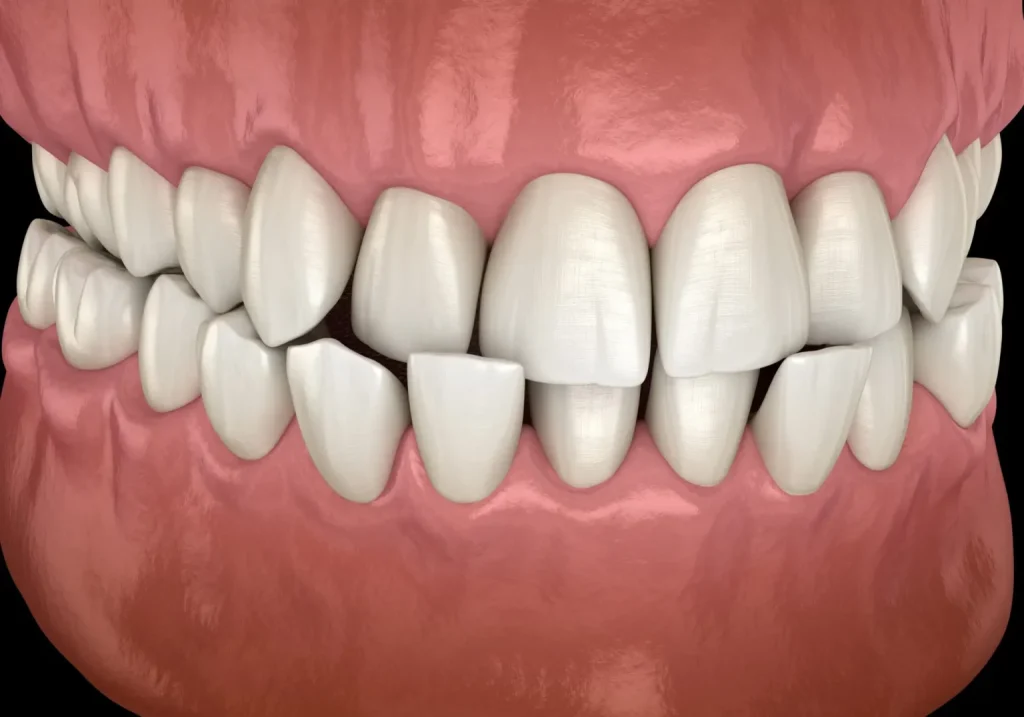
Botox is most effective when used as part of a broader bruxism management strategy. Depending on your needs, treatment may be combined with custom night guards, bite evaluation, and lifestyle guidance to protect teeth and reduce long-term wear. This comprehensive approach helps prevent cracked enamel, worn edges, and excessive pressure on restorations.
Cosmetic Botox Options (When Appropriate)
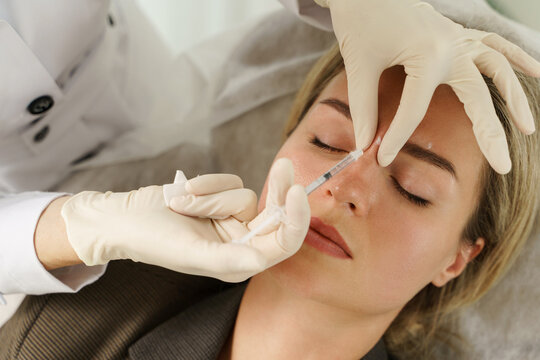
In addition to therapeutic use, cosmetic Botox may be offered for facial areas such as frown lines or forehead tension. In some cases, masseter Botox can also soften a bulky jaw appearance caused by muscle overuse, creating a more balanced facial profile while still prioritizing function. Cosmetic applications are conservative and designed to maintain natural expression.
Safety, Comfort & Professional Oversight in New York
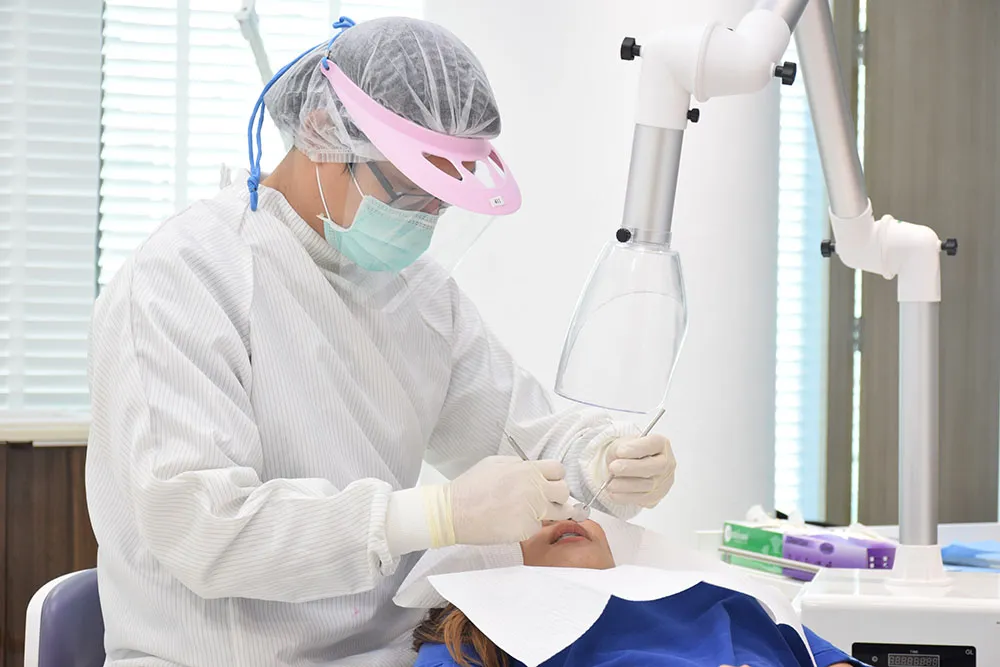
Botox treatments are performed only after a full dental and medical review. Proper dosing, muscle selection, and follow-up are essential for safety and results. In a dental setting, Botox is used with a strong understanding of facial anatomy, occlusion, and oral health relationships. Patients are guided through aftercare and expected timelines to ensure confidence and clarity throughout treatment.
What to Expect After Treatment
Mild tenderness at injection sites is possible but usually resolves quickly. Chewing feels natural, though many patients notice reduced tension and fewer grinding-related symptoms over time. Normal daily activity can typically resume the same day.